
Quick answer
The iceland horse riding weight limit in Reykjavik is typically 120 kilograms (265 pounds) for most tour operators. This threshold reflects the Icelandic horse's smaller stature and Iceland's strict animal welfare standards. Some operators enforce stricter limits of 100-110 kg depending on tour terrain and duration, while a few accommodate riders up to 130 kg on specially trained horses for shorter routes.
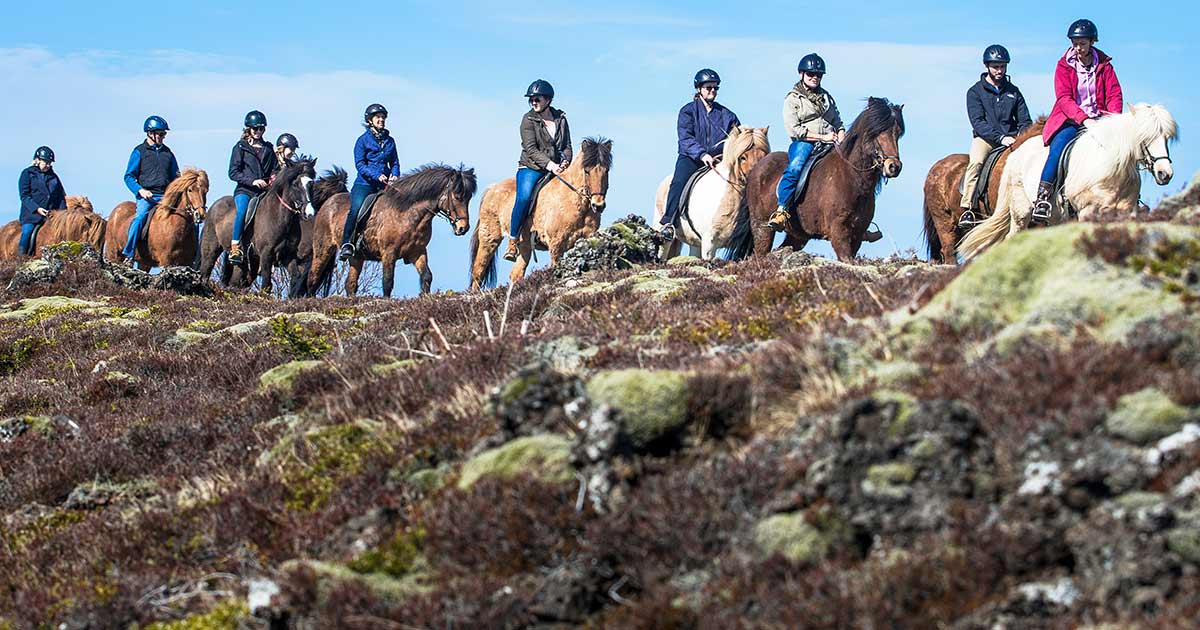
Icelandic horses stand between 130 and 145 centimeters at the withers, making them technically ponies by international classification despite their strength and endurance. This compact build shapes weight policies across Reykjavik's riding tour industry. Most operators apply the iceland horse riding weight limit of 120 kilograms as their baseline standard, but individual policies vary based on horse selection and riding conditions. Tour companies maintain separate strings of larger horses for heavier riders, though availability fluctuates seasonally. Winter tours often enforce stricter thresholds because snow and uneven volcanic terrain increase physical demands on the animals. Summer expeditions on flat coastal paths occasionally accommodate higher weights. Operators assess rider weight against horse size, fitness level, and tour difficulty rather than applying a universal cutoff. Some companies weigh riders discreetly during check-in to match them with appropriate mounts, while others rely on self-reported figures during booking. The weight policy connects directly to Iceland's 1994 Animal Welfare Act, which mandates that working horses carry no more than 20 percent of their body weight including saddle and gear. A typical Icelandic horse weighs 330 to 380 kilograms, producing the commonly cited rider weight maximum when tack weight is subtracted. Enforcement is rigorous—tour operators face penalties for overloading animals, and veterinary inspections occur regularly across licensed stables in the Reykjavik region. This regulatory framework distinguishes Iceland from destinations with looser equestrian standards. Riders approaching the weight threshold should contact operators directly before booking to confirm accommodation. Many companies offer alternative experiences such as horse meet-and-greet sessions, stable visits, or photo opportunities that do not involve riding. These alternatives allow participation without compromising animal welfare. Booking platforms display general weight guidelines, but phone or email confirmation prevents issues on arrival. Operators in Reykjavik run tours daily from 09:00 to 18:00, with morning departures generally offering the widest selection of available horses. Arriving within the recommended 09:00 to 17:00 window ensures adequate time for proper horse-rider pairing and safety briefings before departure.
“A typical Icelandic horse weighs 330 to 380 kilograms, producing the commonly cited rider weight maximum when tack weight is subtracted.”
Pre-Visit Checklist for Iceland Horse Riding Weight Limit Compliance
Complete these steps to ensure a safe and compliant horseback riding experience in Reykjavik.
-
Book your tour in advance — Operators need accurate weight information during reservation to match you with suitable horses.
-
Self-report your weight honestly — Icelandic horses carry a maximum of 120 kg (265 lbs) and incorrect information compromises both rider safety and animal welfare.
-
Wear long pants and closed-toe shoes — Riding requires full leg coverage and stable footwear for stirrup safety and weather protection.
-
Bring waterproof layers and gloves — Reykjavik weather changes rapidly and wind chill affects comfort during rides.
-
Arrive 15 minutes before departure — Time allows for safety briefings, equipment fitting, and horse assignments.
-
Confirm physical fitness requirements — Tours involve mounting, dismounting, and maintaining balance for 1-2 hours.
-
Review cancellation policies when booking — Weather conditions may require rescheduling and operators have specific notice requirements.
Best Time for Iceland Horse Riding Weight Limit Success
The best arrival window is 09:00–17:00, which offers optimal daylight and weather conditions for riding. Selecting your visit based on seasonal light cycles ensures the horses remain well-regulated during your session.
Summer (June–August)
High; book well aheadMild, 10°C to 15°C. Long daylight hours provide consistent riding conditions throughout the day.
Winter (November–March)
Low; quieter trailsCold, -2°C to 4°C. Shorter daylight requires morning rides to maximize visibility and horse comfort.
Weekday mornings
Minimal—; stable conditions. Early hours provide the most reliable horse energy levels and quieter path access.
Verdict: The best time to visit is during the shoulder months of April or October, arriving within the 09:00–17:00 window to balance daylight and mild weather.
Getting to Your Iceland Horse Riding Weight Limit Assessment
Horse riding stables in Reykjavik are located on the outskirts of the city, accessible primarily via private vehicle or pre-arranged shuttle services. Planning your transport in advance ensures a smooth transition to your riding session.
Route 41 (Reykjanesbraut) to local stable access roads
Strætó city bus to the nearest stop followed by a short walk
Direct transfer to stable address
Opening Hours for Iceland Horse Riding Weight Limit Inquiries
The facilities operate daily to assist with inquiries regarding horseback riding requirements and tour logistics. We maintain consistent hours throughout the week to ensure riders can plan their visit effectively.
| monday | 09:00–18:00 | |
|---|---|---|
| tuesday | 09:00–18:00 | |
| wednesday | 09:00–18:00 | |
| thursday | 09:00–18:00 | |
| friday | 09:00–18:00 | |
| saturday | 09:00–18:00 | |
| sunday | 09:00–18:00 |
Entrance Fees and Iceland Horse Riding Weight Limit Costs
There is no entrance fee to access the facilities. Costs are associated exclusively with individual horse riding tours.
Visitors pay 0 ISK for entry, while final tour costs depend on the specific ride duration and services selected.
Check availability
Frequently Asked Questions About Iceland Horse Riding Weight Limit
Everything you need to know about iceland horse riding weight limit